Trees Removed Without Property Damage
Tree Care and Removal in Lake Wales for mature oaks, pines, and palms near structures or power lines
Hurricane season and Florida's sandy soil create conditions where mature trees become unstable, with root systems that don't anchor as deeply as they would in clay or loam soils. When a tree threatens structures, blocks construction access, or shows signs of disease or storm damage, removal requires more than simply cutting it down—it demands rigging systems that control how the tree comes apart and where each piece lands. Americas Finest Land Clearing LLC provides tree removal in Lake Wales using rigging license certification and comprehensive safety planning that addresses proximity to structures, overhead power lines, and the unpredictable behavior of trees with compromised root systems in sandy soil.
The process starts with assessing the tree's lean, weight distribution, and structural integrity, then designing a rigging plan that sections the tree into manageable pieces lowered by rope rather than allowed to fall freely. Power line proximity requires coordination with utility companies and specialized techniques that maintain safe clearance distances throughout the removal.
Request an on-site evaluation to review the specific rigging requirements for trees near your structures or utility lines.
Why Certified Rigging Works for Residential Protection
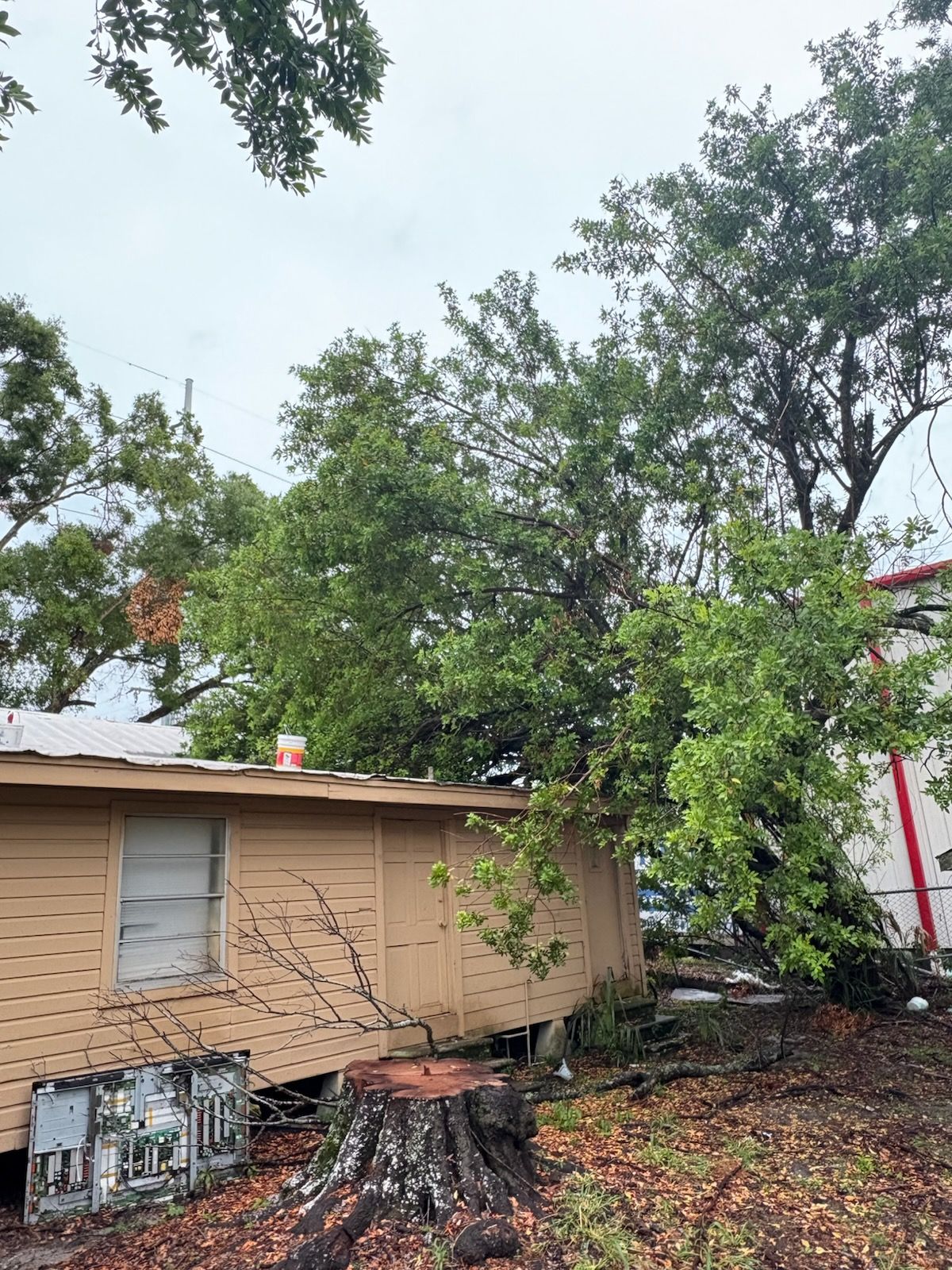
Tree removal near structures or power lines involves rigging systems where ropes and pulleys control each cut section's descent, preventing lateral movement that could strike buildings, vehicles, or utility lines during the fall. Rigging license certification demonstrates training in load calculation, anchor point selection, and rope handling techniques that matter when a cut section weighs hundreds of pounds and must be lowered through a narrow gap between a roof and a fence line. CPR certification and safety-first methodology mean equipment is inspected before each job and work stops if conditions change in ways that weren't visible during initial planning.
After removal is complete, you'll see the tree gone with no damage to nearby structures, landscaping, or hardscaping that was within the fall zone. Stumps are cut flush with grade or ground below surface level depending on your plans for the area, and debris is processed into manageable pieces staged for your preferred disposal method. The surrounding area remains intact because rigging prevented lateral movement and controlled impacts.
The safety planning approach includes identifying overhead hazards before cutting begins, establishing exclusion zones where no one enters during active cutting, and adjusting techniques in real time if wind picks up or wood grain behaves unpredictably. Sandy soil affects tree removal because root systems often extend laterally rather than deeply, which means trees can shift unexpectedly when tension is released during cutting—rigging systems account for this by securing upper sections before lower cuts are made.
Questions Before Starting Your Project
Tree removal near structures raises specific concerns about safety protocols, equipment capabilities, and how proximity hazards are managed throughout the work.
What does rigging license certification indicate about removal capabilities?
Rigging certification requires demonstrated knowledge of load physics, rope strength ratings, and anchor point engineering—it means the person directing the work understands how forces multiply when sections are lifted or lowered and can calculate safe working loads for the specific rigging setup being used.
How are trees near power lines handled safely?
Work near power lines requires maintaining minimum clearance distances set by utility standards, using non-conductive rigging materials when appropriate, and often coordinating with the utility company to de-energize or insulate lines temporarily—the specific approach depends on line voltage and how close the tree actually grows to the conductors.
Why does sandy Lake Wales soil affect tree removal planning?
Sandy soil provides less root anchorage than clay, so trees can shift or lean unpredictably when weight is removed from upper sections during cutting—rigging plans account for this by securing sections before making cuts that change the tree's balance point.
What happens to large wood sections after they're lowered by rigging?
Sections can be cut into firewood lengths if you want to keep the wood, chipped into mulch material, or hauled away as logs—the rigging process delivers wood to the ground in controlled pieces rather than splintered debris, which gives you more options for how it's ultimately processed.
How is property protected during the removal process?
Rigging ropes are anchored to stable trees or ground anchors positioned away from structures, cut sections are lowered along predetermined paths cleared of obstacles, and work zones are established to keep people and vehicles away from areas where equipment operates or debris might fall if rigging fails.
Americas Finest Land Clearing LLC approaches every removal with the understanding that protecting your property matters as much as removing the tree, and comprehensive planning prevents the damage that happens when removal is rushed. Schedule a safety assessment to review the rigging approach specific to your tree's location and condition.