Land Restored in Single Equipment Pass
Forestry Mulching in Lake Wales for properties where dense undergrowth and invasive species prevent land use
Dense Florida undergrowth and invasive species like Brazilian pepper and Chinese tallow create impenetrable vegetation layers that prevent property access, harbor pests, and crowd out native plants that support local ecosystems. Forestry mulching uses specialized equipment to grind vegetation into mulch in a single pass, eliminating the need for separate clearing, hauling, and disposal crews that traditional land clearing requires. Americas Finest Land Clearing LLC provides forestry mulching in Lake Wales with adjustable mulch size based on whether you want fine material that decomposes quickly or coarser chips that create longer-lasting ground cover, and performs selective mulching that preserves desirable native trees while removing invasive species and dense understory.
The process grinds standing vegetation into mulch that's distributed across the ground surface, where it suppresses weed regrowth, returns nutrients to soil as it decomposes, and creates an immediate erosion barrier on sandy soil that would otherwise wash during heavy rain. Selective mulching means the equipment operator navigates around trees you want to keep, clearing only the vegetation you designate for removal.
Arrange a site visit to identify which vegetation should be mulched and which native species are worth preserving for long-term ecosystem health.
What Changes After Environmental Restoration
Forestry mulching involves a tracked machine with a rotating drum covered in cutting teeth that grinds trees up to several inches in diameter, shrubs, and ground vegetation into mulch particles ranging from fine sawdust to hand-sized chips depending on how the equipment is configured. Adjustable mulch size matters because fine material decomposes within months and enriches soil quickly, while coarse material persists for years and provides better long-term erosion control and weed suppression.
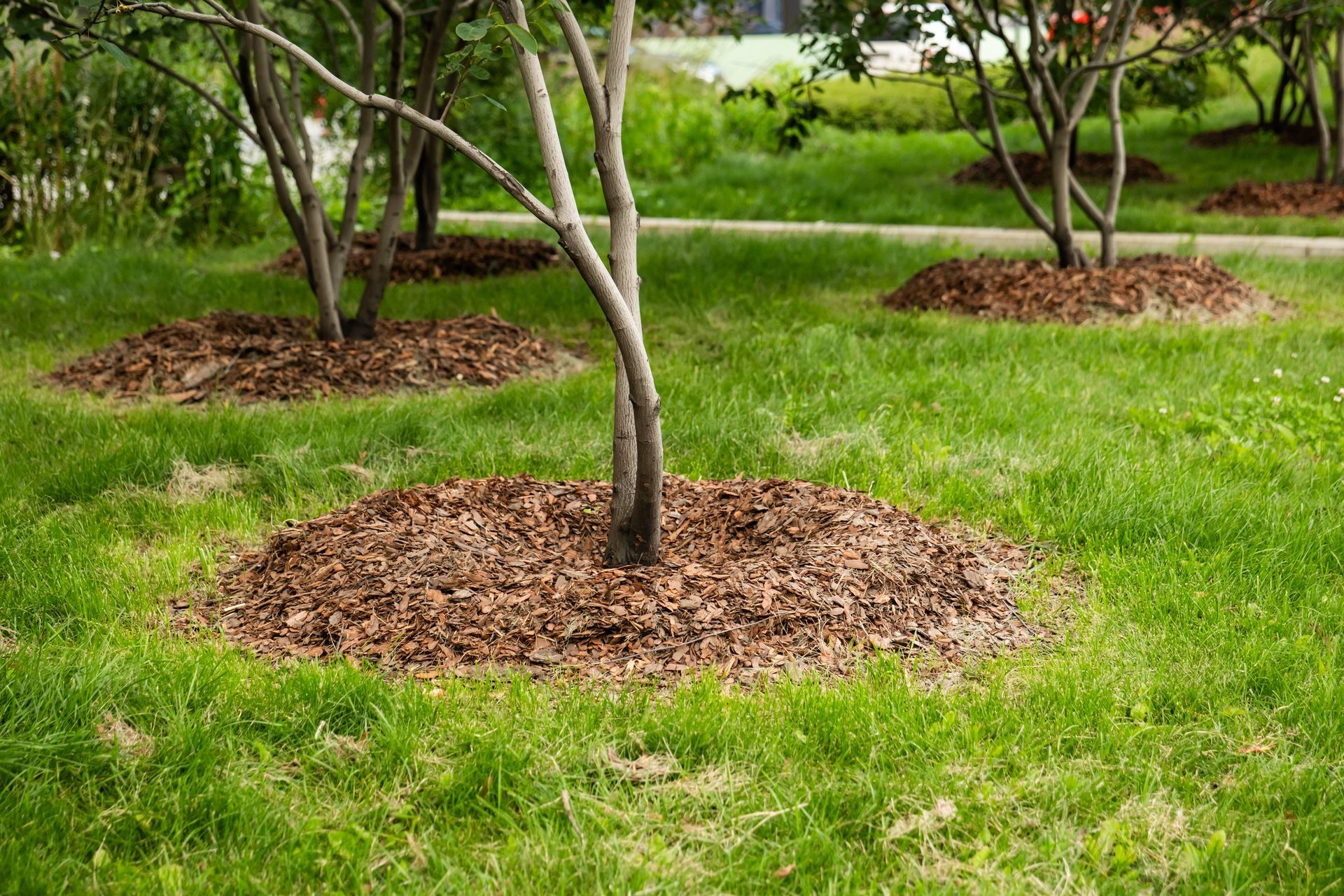
After mulching is complete, you'll see a transformed landscape with dense understory replaced by an even mulch layer, desirable trees standing isolated and visible where they were previously hidden by brush, and immediate access to areas that were impassable before. The mulch layer prevents erosion during Central Florida's heavy rains because it absorbs impact and slows water movement across sandy soil that otherwise channels and washes easily. Equipment expertise shows in how operators navigate around root systems of preserved trees and adjust cutting depth to remove invasive species' root crowns that would otherwise resprout.
Native ecosystem preservation happens when invasive species are selectively removed while native hardwoods, saw palmettos, and other indigenous plants are left intact to reestablish dominance. The comprehensive approach combines clearing with environmental restoration because removing invasives creates space and sunlight for natives to recover, and the mulch layer moderates soil temperature and moisture in ways that favor native species adapted to Florida conditions. Long-term environmental benefits include reduced fire fuel load, improved wildlife habitat, and restored water infiltration in areas where dense invasive growth had created impermeable canopy layers.
What Property Owners Usually Ask
Forestry mulching generates questions about equipment capabilities, selective vegetation management, and how mulched material affects property use and native plant recovery over time.
How does forestry mulching differ from traditional land clearing?
Traditional clearing requires cutting vegetation, hauling it off-site, grinding stumps separately, and removing debris in multiple mobilizations, while forestry mulching completes all these steps in one equipment pass that grinds material in place and leaves processed mulch as ground cover.
What determines whether mulch should be fine or coarse?
Fine mulch decomposes quickly and works well for areas you plan to plant or develop soon, while coarse mulch persists longer and suits firebreaks, trails, or erosion control applications where you want lasting ground cover that suppresses regrowth for years.
How are desirable trees protected during selective mulching?
Operators navigate around trees marked for preservation, maintaining clearance from trunks and visible root flares, and adjust cutting depth to remove competing vegetation without damaging bark or shallow roots of trees you want to keep.
Why does mulched material help restore native ecosystems in Lake Wales?
The mulch layer suppresses invasive species regrowth by blocking sunlight needed for germination, while native species adapted to Florida's fire ecology often resprout vigorously once invasives are removed and sunlight reaches the ground—the mulch creates conditions that favor natives over invasives during the recovery period.
What makes land immediately usable after forestry mulching?
The mulch layer provides a stable surface for vehicle or foot traffic, prevents the mud and ruts that occur on freshly cleared bare soil, and eliminates the waiting period traditional clearing requires while stumps are ground and debris is hauled—you can use the property as soon as mulching is complete.
Americas Finest Land Clearing LLC combines equipment expertise with understanding of native ecosystem preservation to deliver forestry mulching that provides immediate usability and long-term environmental benefits. Contact us to walk your property and develop a selective mulching plan that addresses invasive species while protecting the native vegetation worth preserving.