Properties Remain Accessible Year-Round
Brush Hogging in Lake Wales for overgrown lots that must meet county fire prevention codes
Florida's year-round growing season means brush, weeds, and invasive vines can overtake a property in a single wet season, creating fire hazards that violate county codes and make land inaccessible for maintenance or inspections. Brush hogging cuts dense vegetation down to a manageable height, controlling growth without the complete clearing required for construction sites. Americas Finest Land Clearing LLC provides brush hogging in Lake Wales with adjustable cutting heights based on whether you're managing pasture, maintaining firebreaks, or preparing a lot for periodic mowing, and offers flexible options for how cut material is handled after mowing is complete.
The process involves setting cutting height based on vegetation type and intended property use, mowing in passes that leave cut material evenly distributed or windrow it for removal, and addressing problem areas where dense growth requires multiple passes. Central Florida's wet season accelerates growth rates, which means properties often need brush hogging twice a year to stay compliant with fire codes and accessible for vehicles.
Schedule a property walkthrough to assess current vegetation height and discuss your preferred maintenance interval.
What You Notice Once Vegetation Management Is Finished
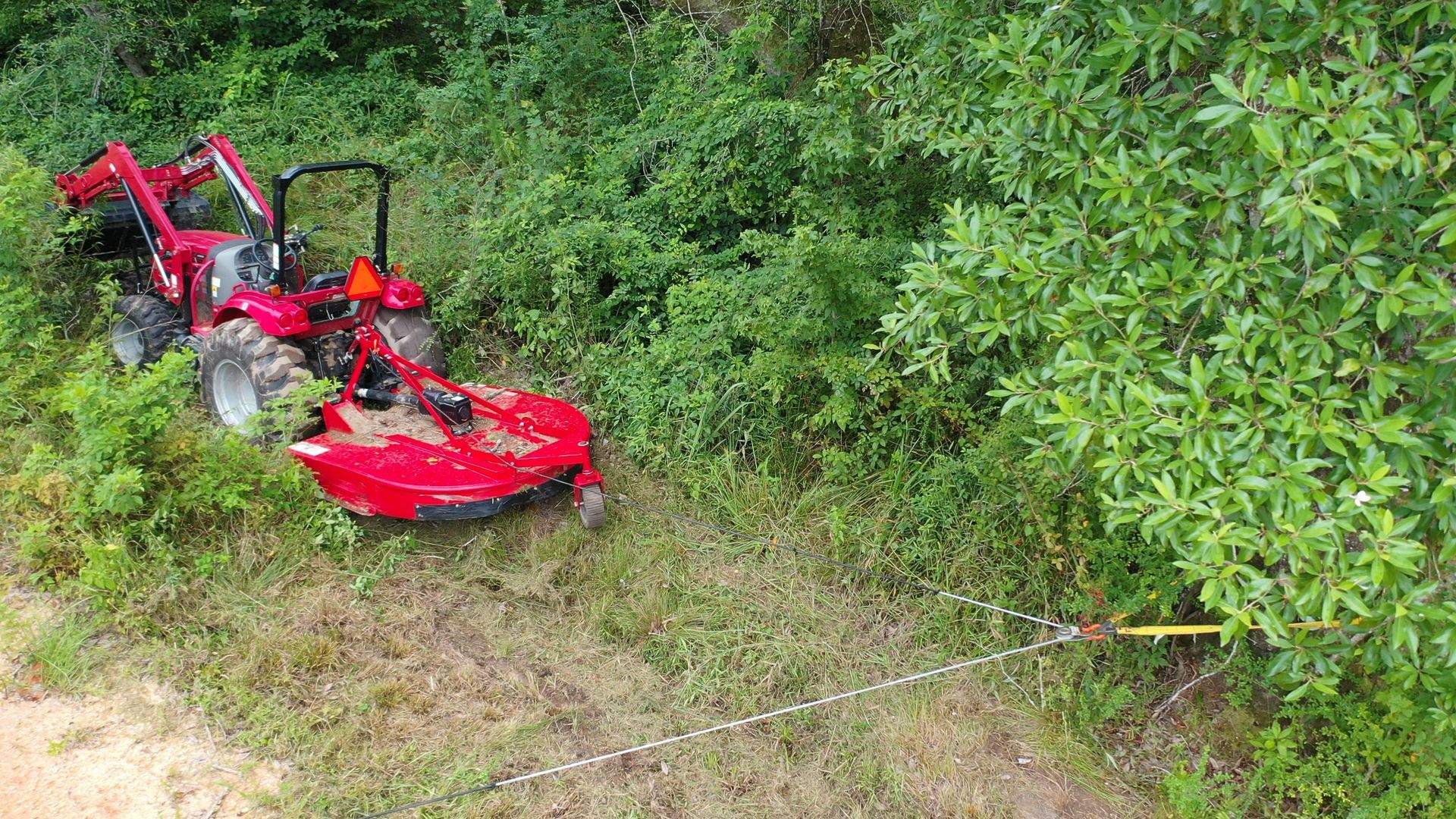
Brush hogging involves cutting vegetation with rotary mowers designed to handle thick brush, saplings, and dense ground cover that standard lawn mowers can't process, with cutting height adjusted from ground level up to several inches depending on whether you want bare earth or a maintained field appearance. The customer choice approach means you decide whether cut material stays on-site to decompose naturally, gets raked into piles for burning where permitted, or is hauled away for disposal.
After brush hogging is complete, you'll see clear sight lines across the property with dense understory reduced to uniform height, vehicle access restored to areas that were previously impassable, and a maintained appearance that signals active property management rather than neglect. If cut material is left on-site, it's distributed evenly rather than piled in clumps that smother remaining vegetation or create uneven ground that complicates future mowing.
County fire prevention codes in Central Florida typically require vegetation within a certain distance of structures to be maintained below specific heights, with exact requirements varying by jurisdiction. Regular brush hogging keeps properties compliant without the ongoing cost of herbicide applications or the labor intensity of hand-clearing large acreage. Comprehensive planning includes identifying areas that need more frequent attention due to faster regrowth and mapping access routes for equipment to avoid damaging desirable trees or site features.
Common Questions About This Service
Brush hogging raises questions about cutting techniques, material handling, and how vegetation management fits into broader property maintenance strategies for Central Florida's unique growing conditions.
How is cutting height determined for different vegetation types?
Light brush and grasses can be cut close to ground level for a clean appearance, while thick woody vegetation with large stems requires higher cutting to prevent equipment damage and leave stumps that will resprout rather than tear roots that cause erosion.
What happens to cut material after mowing is complete?
You choose whether material stays distributed on-site to decompose and return nutrients to soil, gets raked into piles for your own burning or disposal, or is hauled away entirely—the right choice depends on how you use the property and whether decomposing material supports or hinders your plans.
Why does Florida's wet season affect brush hogging schedules?
The wet season brings frequent heavy rain and warm temperatures that accelerate plant growth, meaning vegetation that's cut in May can regrow to problematic heights by September—properties in Lake Wales often need mowing in late spring before wet season starts and again in fall after growth slows.
When should brush hogging be done instead of complete clearing?
Brush hogging maintains properties you plan to use but not build on, controls vegetation between development phases, or manages firebreaks and access roads without removing the root systems that prevent erosion on slopes or sandy soil.
How does adjustable cutting height affect long-term maintenance needs?
Lower cutting removes more vegetation but can stimulate faster regrowth from roots trying to recover, while higher cutting leaves more plant material but may slow regrowth by leaving enough foliage for photosynthesis—the balance depends on your specific vegetation and management goals.
Americas Finest Land Clearing LLC approaches vegetation management with the understanding that properties have different needs and no single cutting approach works for every situation. Contact us to develop a maintenance plan based on your property's specific vegetation patterns and compliance requirements.