
Root Systems Removed Below Soil Line
Stump Grinding in Lake Wales for stumps blocking construction, landscaping, or creating tripping hazards
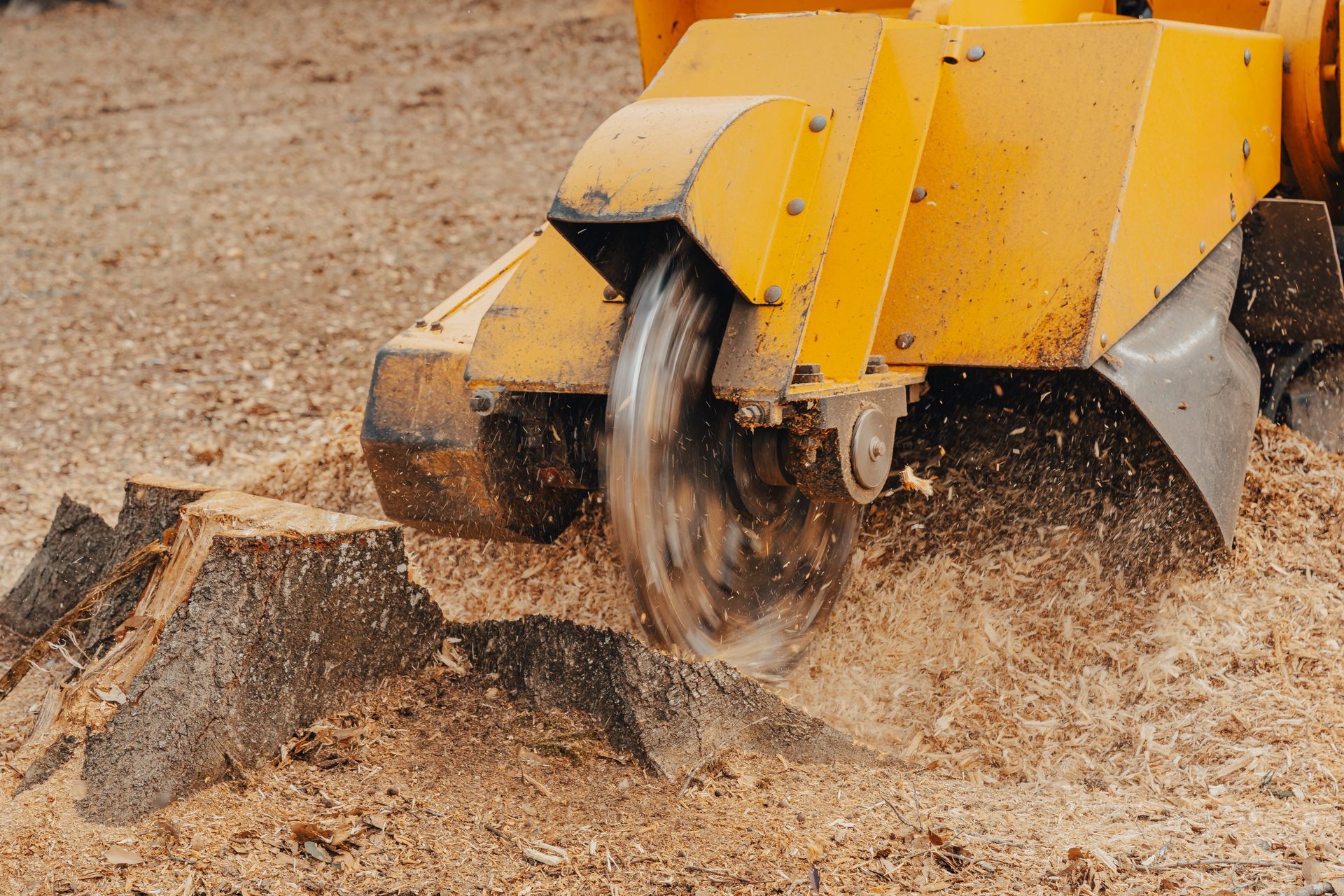
Grinding a stump below ground level eliminates the visible obstacle and the underground root mass that prevents replanting or construction in that exact location. The process involves using specialized grinding equipment that reduces the stump and major roots to wood chips several inches below the soil surface, with depth adjusted based on what you plan to do with the space afterward. Florida's sandy soil allows efficient grinding progress, though palm stumps and hardwood species like oak require different blade approaches due to fiber density and root structure variations.
Americas finest land clearing LLC checks for underground utilities before grinding begins, verifies the depth you need based on site plans, and grinds the entire stump mass below grade so nothing remains to interfere with future use. Safety certification background and experience with different stump types across Lake Wales and the surrounding region inform the approach for each removal.
Request a property visit to assess stump size, species type, and grinding depth requirements for your project plans.
Why Grinding Depth and Safety Checks Matter
The grinding process works outward from the stump center, reducing wood and roots to chips while excavating several inches below the surrounding soil grade. Depth recommendations vary—four to six inches below grade typically suffices for grass planting, while construction projects or new tree placement may require grinding eight to twelve inches down to prevent future settlement or root interference. Utility location before grinding prevents damage to buried electric, water, gas, or irrigation lines that aren't always marked clearly or documented accurately on property maps.
After grinding is complete, the stump location appears as a shallow depression filled with wood chips rather than a raised obstacle or visible root system. You can immediately fill the area with soil for planting, lay sod directly over the ground chips as they decompose, or excavate the chip material if the site needs structural preparation for pavers or building foundations. The space becomes usable without waiting for natural decomposition, which can take years for large stumps and creates ongoing settling problems as decay progresses underground.
The team adjusts grinding approaches based on whether the stump is palm, pine, oak, or other species since fiber structure affects how the material breaks down under the grinder. Wood chips remain on-site as fill material unless you request removal, and the surrounding area is cleared of debris before equipment leaves the property.
Common Stump Grinding Questions
Stump removal involves more than cutting wood below ground level, particularly when site plans and underground obstacles affect the work approach.
How deep does grinding need to go for different uses?
Grass planting requires four to six inches below grade, landscaping beds need six to eight inches, and construction projects or new tree placement often require eight to twelve inches to prevent root interference and settling issues as remaining wood decomposes underground.
What happens to the wood chips created during grinding?
Chips remain on-site as fill material in the stump depression unless you request complete removal—they decompose over time and actually benefit soil composition, though construction projects may require excavating them before foundation or hardscape work begins.
Why do utility checks matter before grinding starts?
Underground electric, water, gas, and irrigation lines don't always appear on utility maps or may have been installed without documentation, and grinding equipment operates with enough force to severely damage buried infrastructure if it encounters lines during the removal process.
How does Florida's sandy soil affect stump grinding?
Sandy soil allows faster grinding progress compared to clay or rocky soils since blades encounter less resistance, but it also means stumps need grinding slightly deeper because sandy soil provides less long-term stability as the wood decomposes underground.
What makes palm stumps different from hardwood stumps?
Palm stumps consist of fibrous material rather than solid wood, which requires different blade angles and grinding patterns compared to oak, maple, or pine stumps that have dense wood grain and branching root structures spreading outward from the trunk base.
Americas finest land clearing LLC never cuts corners on safety verification or grinding depth because your expectations guide how the work gets completed. Reach out at (863) 317-2863 to discuss your stump removal needs and the depth requirements for your specific site plans.