Sites Prepared for Immediate Construction Use
Land Clearing in Lake Wales for properties with dense palmetto, oak hammocks, and sandy soil conditions
Central Florida's combination of dense palmetto undergrowth, mature oak hammocks, and sandy soil creates site conditions that require specialized equipment and clearing techniques. Americas Finest Land Clearing LLC handles complete land clearing in Lake Wales, managing everything from initial property assessment through final grading to deliver construction-ready sites. The company surveys for protected species before clearing begins and separates hardwood debris from palm material, which matters because the two decompose at different rates and have different disposal requirements.
The process involves identifying property boundaries, assessing vegetation density and species composition, determining which trees or natural features to preserve, and executing a phased clearing plan that addresses drainage considerations specific to Florida's sandy soil. Sandy soil drains quickly but also shifts easily, which affects how clearing equipment moves across the site and where material can be staged without creating ruts or compaction issues that interfere with later construction work.
Schedule a site assessment to map vegetation density and discuss your specific clearing timeline requirements.
What Proper Site Preparation Requires
Clearing dense Florida vegetation involves more than removing trees and brush—it requires separating hardwood from palm debris because their different decomposition rates affect disposal methods and costs, identifying any protected species before equipment enters the property, and using rigging systems when trees are near structures or utility lines. Americas Finest Land Clearing LLC holds rigging certification and CPR certification, applying safety protocols that prevent property damage and project delays caused by hasty clearing decisions.
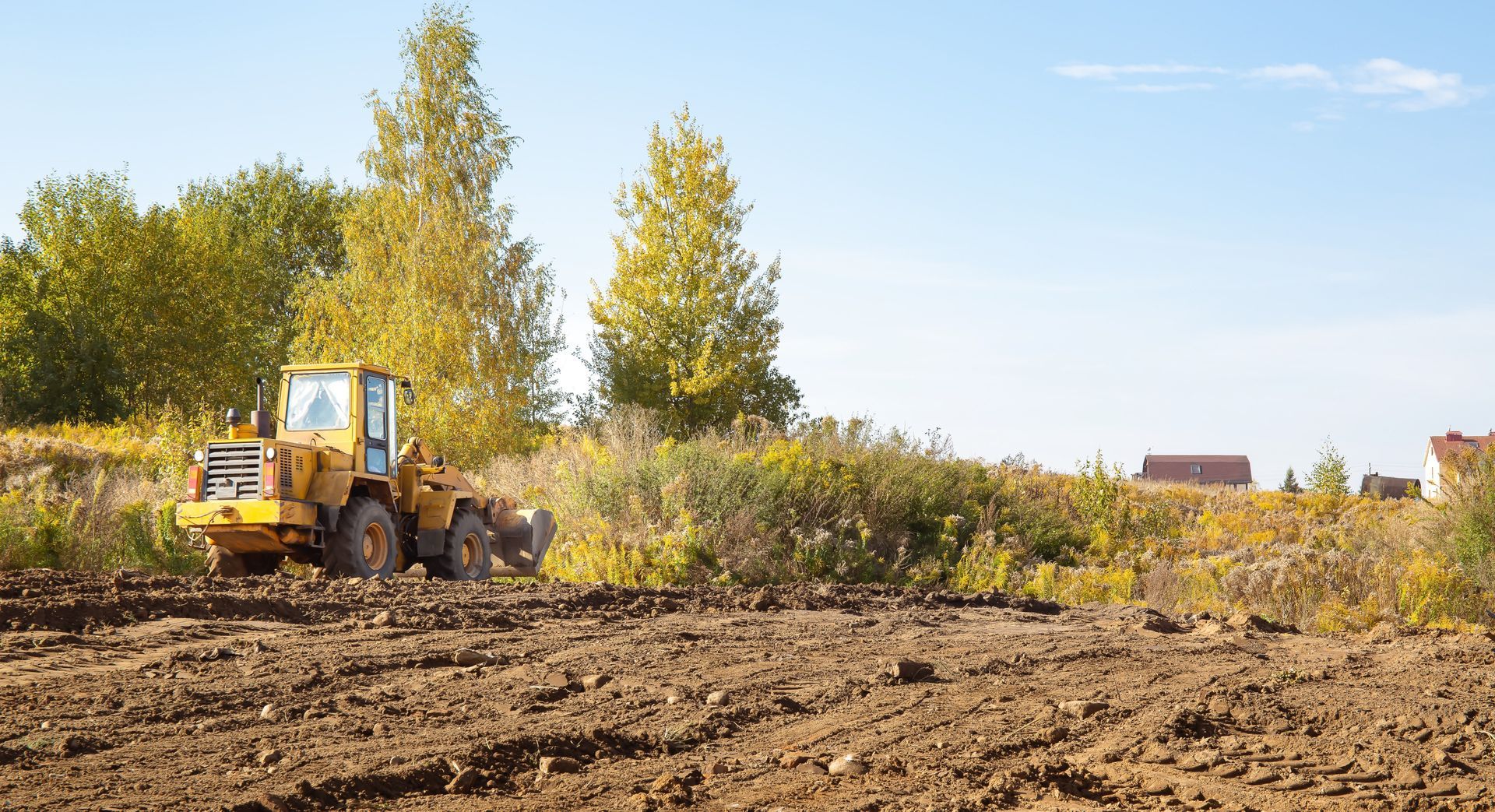
After clearing is complete, you'll see defined property boundaries with vegetation removed to grade, separated debris piles organized by material type for efficient hauling, and a level surface ready for construction equipment to access without creating additional site disturbance. The final grading accounts for Central Florida's stormwater drainage requirements, which means the cleared surface slopes appropriately to prevent water from pooling during the wet season.
The safety-first approach extends to every phase of the work, with rigging systems deployed around structures, power line proximity protocols followed without exception, and equipment operators adjusting techniques based on real-time site conditions rather than rushing through predetermined steps. Nearly two years of business experience has reinforced that thorough planning at the start prevents callbacks later.
What Property Owners Usually Ask
Questions about site preparation often focus on process details, material handling, and local environmental considerations that affect project timelines and final site conditions.
What happens during the initial property assessment?
The assessment maps vegetation types and density, identifies any protected species that require special handling or relocation, establishes exact property boundaries in coordination with survey stakes, and evaluates drainage patterns specific to your site's sandy soil conditions.
How is hardwood debris handled differently from palm material?
Hardwood decomposes slowly and is often chipped for mulch or hauled for processing, while palm fronds and trunks break down faster but create bulkier piles that require different loading techniques—separating the two on-site makes disposal more efficient and often reduces hauling costs.
Why does rigging certification matter for land clearing?
When trees are near structures, power lines, or other obstacles, rigging systems control the direction and speed of falling material, which prevents damage that occurs when trees are simply felled without directional control in tight spaces common on residential properties.
What does final grading include for Central Florida properties?
Final grading creates a level or appropriately sloped surface that directs stormwater away from future structures, prevents pooling in low spots that become swampy during Lake Wales' wet season, and compacts the sandy soil enough to support construction traffic without creating deep ruts.
How long does complete site preparation typically take?
Timeline depends on property size, vegetation density, and debris removal requirements, but most residential lots with moderate palmetto and oak coverage require two to four days for clearing and grading, with additional time if protected species surveys or extensive rigging work is necessary.
Americas Finest Land Clearing LLC approaches every project with the understanding that your expectations define the work, and no corners are cut to meet artificial deadlines. Request a detailed clearing plan that addresses your site's specific vegetation and drainage conditions.